

Check out the latest news and articles.
-

Rural Brain Gain
Posted on May 14, 2018Early this year, Wisconsin’s economic development agency launched an ad campaign to persuade young professionals to ditch Chicago and head north to pursue their careers. […]
-
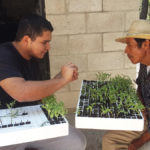
Ancient Method Helps Feed Present-Day Communities
Posted onIn remote villages and rural towns from Guatemala to Costa Rica, horticulture professor James Nienhuis and his former grad student Erick Gutiérrez MS’17 are improving […]
-
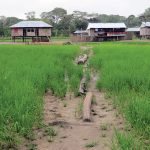
The Poverty-Biodiversity Link in Western Amazonia
Posted onIn examining the loss of plant and animal life in the Amazon, scientists and the media often focus on the effects of deforestation. But a […]
-

Living Science | Private Lands, Public Good
Posted onWith the warmer months upon us, the outdoor season is in full swing. There are hikes to take and birds to watch, fish to catch […]
-

In the Field | Alumni Making Their Mark as Entrepreneurs
Posted onEnterprising Alumni Many CALS graduates go on to launch small businesses, patent new products, and found successful companies, among other entrepreneurial endeavors. This special In […]
-

Catch Up with … Ellen Morgan BS’95, MS’97
Posted onAs a UW–Madison undergrad, Ellen (Shumaker) Morgan was eagerly hopping through an array of science electives, undecided on a specific major. Her curiosity was piqued […]
-
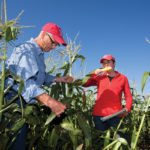
A Half-century of the PBPG Program
Posted onThe Plant Breeding and Plant Genetics (PBPG) program is marking an impressive milestone this year. In June, faculty, staff, students, and alumni will gather for […]
-

Final Exam Summer 2018
Posted on -

Five things everyone should know about … Switchel
Posted on March 7, 20181. Switchel is an apple cider vinegar-based beverage. It also contains water and other ingredients such as ginger or honey. Maple syrup, molasses, and fruit […]
-

Final Exam Spring 2018
Posted on -
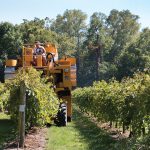
Fermentation Education
Posted onA new certificate program offers hands-on production experience and
classroom instruction in the fermentation sciences to give students a
competitive edge in one of Wisconsin’s burgeoning markets -
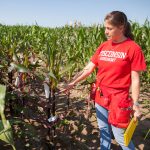
Corn Conundrum
Posted onHighly productive corn varieties have more trouble adapting to changing environmental conditions, so more balanced breeding may be needed