

Check out the latest news and articles.
-

Catch Up with … Andy Fisher, Farm and Industry Short Course (FISC) ’99
Posted on October 17, 2018For Andy Fisher, farming isn’t just a way to make a living. It’s a way of life. “I feel it’s one of the most honest […]
-

Farm Tour Enriches FISC Experience
Posted onSince 1886, the Farm and Industry Short Course (FISC) has been drawing students to the UW–Madison campus for certificate-level education as they pursue careers in […]
-

Final Exam Fall 2018
Posted on -

Drones, Joysticks, and Data-Driven Farming
Posted on May 14, 2018Brian Luck grew up on an 800-acre corn and soybean farm in western Kentucky, so he knows well the look of a planted field from […]
-

Vector Vigilance
Posted onWhen you visit the UW Arboretum, you go to take a stroll through the woodlands, prairies, and flowering trees. You go to navigate the boardwalks […]
-
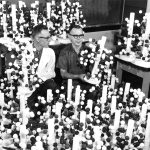
Forgotten Molecules
Posted onOn a rainy day last fall, chemist Scott Wildman left his office on the UW– Madison campus and drove to a retirement community on the […]
-

Welcome, Future Problem Solvers
Posted onIn this issue of Grow — as with all issues of the magazine — you’ll get a close look at our scholars as they tackle […]
-

Five things everyone should know about … Fireflies
Posted on1. Fireflies, or lightning bugs, are a type of winged beetle known for producing light. There are more than 2,000 species found throughout the world, […]
-

How about Some Granola with That?
Posted onYogurt already has a lot going for it. A fermented dairy food, it is rich in calcium, vitamin D, and protein. Its mildly sour taste […]
-
Survey on the Future of Grow
Posted onIt’s been more than a decade since Grow first launched. In that time, we’ve printed more than 30 issues. That’s over 1,200 pages filled […]
-

Eyes on an American Marten Revival
Posted onThe American marten, a small, elusive member of the weasel family, was long thought to be extinct in Wisconsin’s Apostle Islands. Now, thanks in part […]
-

Class Act | Leah Johnson and Sustainability as the New Standard
Posted onLeah Johnson BSx’19 didn’t have cable TV until her freshman year of high school. Even after the box arrived, her parents enforced a daily one-hour […]