

Check out the latest news and articles.
-
Taking It Outside
Posted on February 17, 2011Children are packing on pounds during a season once associated with outdoor activity and exercise. Addressing that problem means confronting a number of factors that are contributing to poor health in our children.
-
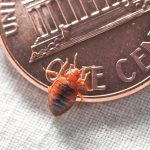
Five things everyone should know about . . . Bedbugs
Posted onMore on the bugs that go ‘bump’ in the night.
-

A Bug in the System
Posted onClimate change is fueling the biggest outbreak ever of tree-killing bark beetles. The insects are decimating conifer forests from Alaska to Arizona—and raising concerns that they could reach the Upper Midwest.
-
Catch up with… Darrel Feucht BS’85 Agricultural Mechanization & Management
Posted onIt’s the Wisconsin Idea gone global. That’s one way to describe Colonel Darrel Feucht’s pending mission in Afghanistan. The Fall River resident, a loan services facilities manager in civilian life, is leading a newly formed 58-member National Guard team that includes agronomists, hydrologists, forest scientists and a veterinarian. The goal of their 11-month tour? To help restore Afghanistan’s farmland and provide a viable alternative to growing poppies for the drug trade
-
O Bioneers
Posted on February 16, 2011A new course in bioenergy gets freshmen involved in real-life research challenges
-
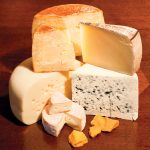
Crafted with Care
Posted on February 15, 2011Wisconsin’s artisan cheese renaissance may be a miracle, but it’s no accident. Government, academia and nonprofits all have had a hand in the market’s delectable bloom.
-
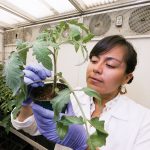
Class Act: Alejandra Huerta and Farm Workers’ Daughter
Posted onAlexandra Huerta comes from a family of agricultural workers, but she is taking her career in a very different direction.
-
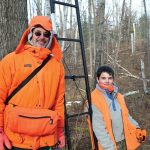
Code Orange
Posted onAlarmed by a drop in hunting, researchers investigate how to better market the sport to new audiences.
-
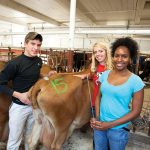
Cows, Up Close and Personal
Posted onSpecial funding allows students more hands-on learning about animals
-
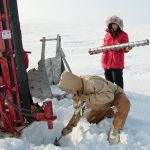
Alaska: When the Deep Freeze Thaws
Posted onThe melting of Arctic permafrost has vast implications for our global climate. CALS professor James Bockheim is studying cores of the frozen soil to gain a glimpse into their future.
-
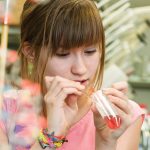
Berry Good Science
Posted on“Biochemistry in the Kitchen” workshops give Girl Scouts the opportunity to study strawberry DNA.
-
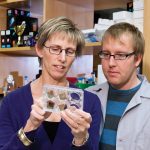
Taking Out the Guesswork
Posted onResearchers have created a safer culture for embryonic stem cells